
Key Takeaways
- Summary of Sump Pump Alarm Functions and Features
- Frequent Problems Encountered with Sump Pump Alarms
- Detailed Guide for Diagnosing Sump Pump Alarm Issues
- Recognizing Sound and Alert Complications
- Care Recommendations for Sump Pump Alarms
- Instances When Professional Assistance is Necessary
Overview of Sump Pump Alarms
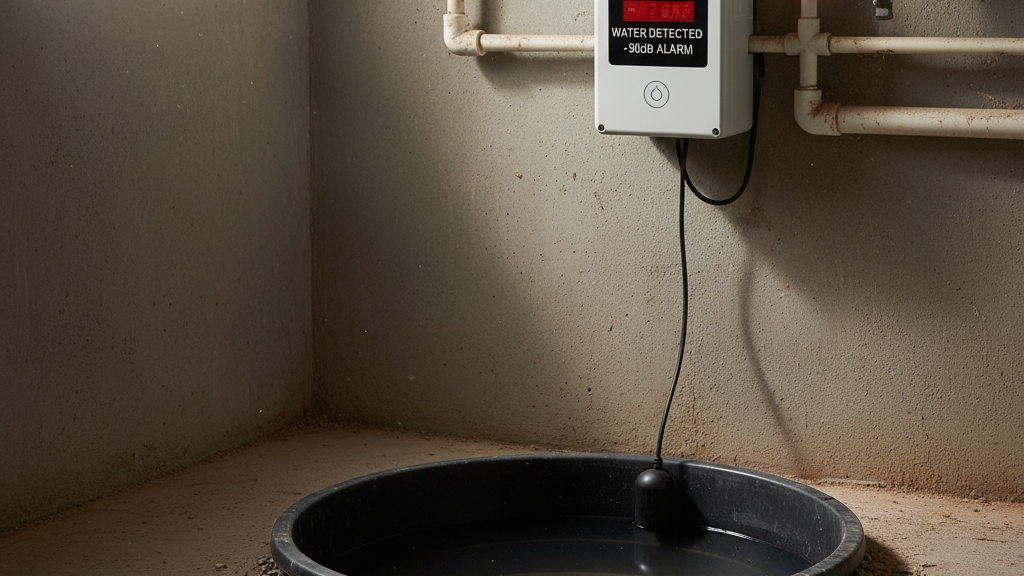
Sump pump alarms play a crucial role in preventing flooding and water damage by providing timely alerts about potential issues with sump pumps. These alarm systems help homeowners monitor water levels and ensure their pumps are functioning correctly. Effective sump pump alarm troubleshooting can mean the difference between a minor inconvenience and a major disaster. Recognizing the signs of a malfunction, such as an unexpected false alarm or continuous activation, is essential for maintaining a reliable sump. Regular maintenance and understanding the components of these systems can significantly enhance their performance, reducing the risks associated with sump pumps in basements and crawlspaces.
Functionality of Sump Pump Alarms
Sump pump alarms serve as critical warning signals for homeowners, alerting them to potential flooding issues within the sump pit. These alarms are designed to detect water levels that exceed normal thresholds, triggering a loud sound similar to a smoke alarm. Effective sump pump alarm troubleshooting can help identify reasons for false alarms, which may occur due to a malfunctioning check valve or incorrect sensor placement. Understanding the system’s functionality ensures that alarms operate reliably during power outages, minimizing the risk of water damage.
The operation of a sump pump alarm relies on various components working together seamlessly. A reliable power source is vital, especially during power outages, as the alarm must remain functional at all times. If issues arise with alarm activation, such as continuous sounds without water present, it is essential to engage in thorough sump pump alarm troubleshooting. This includes examining the power supply and ensuring that the sensors are clean and functioning correctly, safeguarding against potential flooding and property damage.
Importance of Proper Alarm Operation
Proper operation of sump pump alarms is critical for preventing water damage in homes. These alarms rely on pressure sensors to detect rising water levels in sump pits. If the electrical system fails or the plug-in connection is disrupted, the system will not function as intended, leading to potential flooding. Regular sump pump alarm troubleshooting can help identify issues such as a tripped circuit breaker or a faulty valve that can affect alarm performance.
Maintaining optimal performance of the alarm system ensures that any water accumulation is promptly addressed. A malfunctioning battery can also impede the alarm’s effectiveness, leaving homeowners vulnerable in times of heavy rainfall or equipment failure. Without proper attention to the alarm’s operation, risks increase, particularly around critical components like the water heater, which can suffer damage from excess moisture. Regular checks and maintenance are essential for safeguarding properties against inevitable water issues.
Common Issues with Sump Pump Alarms
Sump pump alarms may encounter various issues that hinder their effectiveness. Power supply failures are a common culprit, often related to drained batteries or disconnected power sources. Sensor malfunctions can also disrupt the system, particularly with the float switch that determines water levels. Effective sump pump alarm troubleshooting often begins with checking these critical components. A detailed sump pump troubleshooting guide can aid homeowners in identifying these problems efficiently. Regular maintenance helps prevent potential sump pump problems, ensuring that alarms function properly when needed.
| Issue | Possible Cause | Recommended Solution |
|---|---|---|
| Power Failure | Drained battery or power disconnection | Check battery charge and power connections |
| Sensor Malfunction | Float switch blockage or damage | Inspect and clean float switch; replace if necessary |
| False Alarms | Debris in sensor area | Clear any debris and perform routine inspections |
| Continuous Alarm | High water level due to pump failure | Test pump operation and check for obstructions |
Power Supply Failures
A common cause of sump pump issues relates to power supply failures. If the pump alarm isn’t receiving adequate power, the entire sump pump system may fail to operate. This situation can lead to a failed sump pump, putting your property at risk of flooding. Proper sump pump alarm troubleshooting should always begin with checking the power supply to ensure the system is energized and functioning. An unexpected power outage or tripped circuit breaker can render a reliable sump pump ineffective.
Identifying power supply problems requires a methodical approach. Inspecting the connections for wear and ensuring that the outlet is functional are essential steps in maintaining an efficient sump pump system. If the pump alarm is still non-responsive after verifying the power source, it may indicate deeper issues within the sump pump works. Regular maintenance checks can significantly reduce the likelihood of power-related failures, ensuring that the pump alarm remains operational and your sump pump consistently protects your property.
Sensor Malfunctions
Sensor malfunctions can significantly compromise the effectiveness of pump alarms. If the sensors fail to detect sump pump activity accurately, the alarm may not trigger when water levels rise. This can lead to sump pump ineffective situations, resulting in water damage and costly repairs. Regular sump pump alarm troubleshooting can help identify these issues early. Consider exploring exceptional sump pump options that feature advanced sensors to minimize the risk of malfunctions.
One of the most common types of sensor malfunctions occurs with the float switch, which is vital for monitoring sump pump water levels. If the float gets stuck or damaged, it could lead to a complex sump pump scenario where the alarm fails to sound. Sump pump services often recommend routine inspections of these components to ensure optimal functionality. Proper maintenance is essential for the longevity of pump alarms and the overall effectiveness of sump systems.
Step-by-Step Sump Pump Alarm Troubleshooting
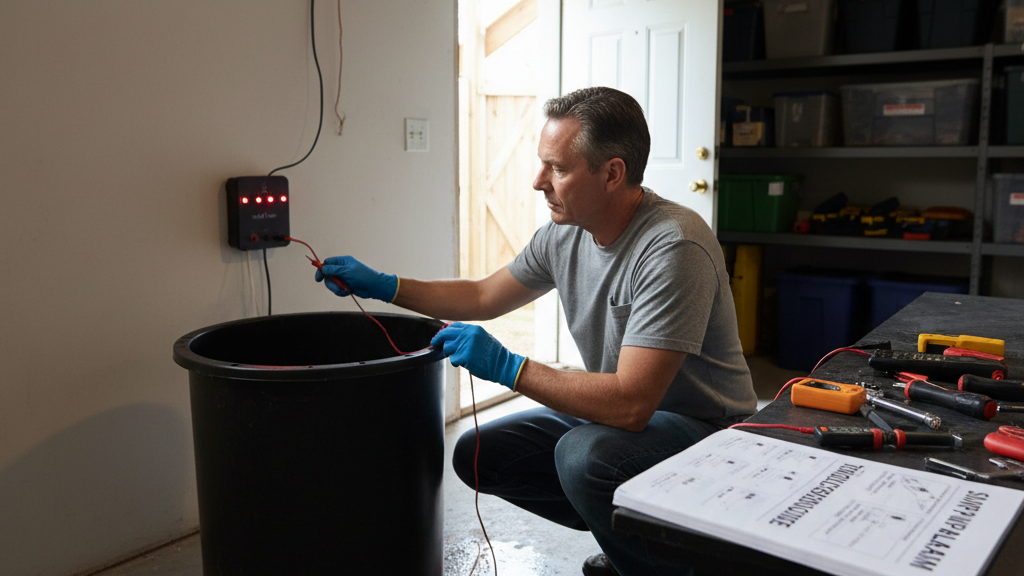
Sump pump alarm troubleshooting is essential for maintaining the reliability of your water management system. A beeping sump pump could indicate a minor issue or a potential failure that requires attention. Starting with crawl sump pumps, ensure the power supply is intact; power outages can lead to alarm activation. If the power is stable, check the alarm sensor for any debris or damage that might cause false alerts or persistent blaring alarms. Regular maintenance and understanding sump pump coverage can prevent pressure sensor alarms from triggering unnecessarily. If troubleshooting efforts do not resolve the issue, it may signal deeper pump failures, and seeking professional help might be necessary before the alarm stops functioning altogether.
Checking the Power Source
A primary step in sump pump alarm troubleshooting involves verifying the power source. Ensuring that the sump pump and alarm are receiving adequate electrical supply can prevent pump problems and potential failures. If the water alarm or high-water alarm is not functioning, checking for tripped circuit breakers or blown fuses is crucial. A properly functioning sump pump relies heavily on an uninterrupted power supply, so addressing power issues early can save you from a low-water alarm scenario.
Inspecting all connections, including the plug and outlet, is essential as part of this troubleshooting process. Loose or corroded connections can lead to failures in float switch alarms, causing the alarm to fail in detecting water levels. Ensuring that the pump is connected securely and that there are no visible damages can help maintain a reliable warning system. Addressing power issues promptly contributes significantly to the longevity of your sump pump and its alarm.
Inspecting the Alarm Unit
Inspecting the alarm unit is a crucial step in sump pump alarm troubleshooting. Begin by checking for any visible damage or wear on the unit. Ensure that all pump components are connected properly and look for signs of corrosion or moisture that could affect functionality. Alarm triggers can often be linked to issues such as frequent pump jams or a malfunctioning emergency pump. It’s essential to verify that the alarm reset button has not been inadvertently activated, as this can silence alarm sounds, including low-water alarm sounds.
Next, ensure that all features of the alarm unit are functioning correctly. This includes testing smart alarms, which can provide more advanced notifications and diagnostics. A simple troubleshooting approach involves activating the alarm feature to see if it responds appropriately. If the alarm does not sound or shows signs of malfunction, it may need to be replaced. Consistent inspection and routine maintenance can prevent significant issues down the line, making regular checks a vital part of sump pump alarm troubleshooting.
Identifying Noise and Signal Issues
Sounding alarms can often indicate specific issues that require sump pump alarm troubleshooting. Understanding common alarm triggers is essential for effective management of a basement water alarm. Different sounds signal varying problems; for instance, a continuous alarm may suggest a malfunction during pump operation, impacting overall pump performance. Identifying these noise patterns can lead to quick-fix solutions, allowing homeowners to address issues before they escalate. Regular assessments of pumps and their alarms are crucial for maintaining optimal function, ensuring that homeowners can respond promptly to any unusual alerts. Quick fixes often involve checking power sources or inspecting the alarm unit to confirm proper operation.
Understanding Different Alarm Sounds
Different sounds emitted by a sump pump alarm can indicate various issues requiring immediate sump pump alarm troubleshooting. A continuous beep often signals that the backup pump has been activated, potentially indicating the primary pump isn’t functioning correctly. An intermittent chirp might suggest a low battery or faulty battery connections, necessitating prompt repair to ensure proper pump operation. Recognizing these sounds early can prevent additional complications, such as water damage or the need for a water heater repair later on.
Alarm activation sounds also vary depending on the situation. A loud, constant alarm usually indicates a critical failure, requiring swift action to address the problem. Conversely, if the alarm ceases unexpectedly, it may denote an issue with the power supply or sensor malfunctions. Understanding these different alarm sounds is essential for effective sump pump alarm troubleshooting, ensuring that homeowners can take the necessary steps to maintain their systems and avoid costly repairs.
| Alarm Sound | Indication | Recommended Action |
|---|---|---|
| Continuous Beep | Backup pump activated; primary pump malfunction | Inspect the primary pump; check for blockages or failures |
| Intermittent Chirp | Low battery or faulty battery connections | Replace or secure the battery |
| Loud Constant Alarm | Critical failure of sump pump system | Shut down the system and call for immediate service |
| Unexpected Silence | Possible power supply or sensor malfunctions | Check power source and inspect sensor connections |
Diagnosing Continuous Alarm Activation
Continuous alarm activation often indicates an issue that requires immediate attention. Sump pump alarm troubleshooting can help identify if the problem stems from a pump malfunction, faulty sensors, or even a power interruption. A higher-capacity pump may be necessary if the main pump is struggling to keep up with water levels. If a failed check valve is present, the water may be flowing back into the sump, triggering the alarm repeatedly.
Battery drain can also lead to continuous alarming, especially in pro series pumps that rely on backup power during outages. It’s crucial to assess the condition of the sensors and the overall system. Regular maintenance checks are vital to ensure that all components work correctly and to prevent unnecessary alarms in the future. Addressing these issues promptly can save time and reduce the risk of flooding.
Maintenance Tips for Sump Pump Alarms
Regular maintenance of sump pump alarms is essential for their reliable operation. Effective sump pump alarm troubleshooting involves verifying the power supply and ensuring all battery connections are secure. Users should conduct regular checks on wi-fi-enabled alarms to confirm they receive proper signals. A persistent beep from an alarm could indicate an issue that requires immediate attention, such as a faulty circuit board or low battery. Including a generator ensures backup power in case of outages, further protecting your sump pump system. Proper upkeep not only enhances performance but also prolongs the life of your sump pump alarm, making troubleshooting efforts easier in the long run.
- Regularly test the alarm system to ensure it is functioning correctly.
- Inspect and clean the sump pump and alarm components to prevent debris buildup.
- Replace batteries at least once a year, or as recommended by the manufacturer.
- Keep a log of maintenance checks and any issues that arise for future reference.
- Consider installing a second alarm for added layer of protection.
- Ensure the sump pit is clear of obstructions to allow proper drainage.
- Have a professional inspect the system periodically to catch any potential problems early.
Regular Testing Procedures
Regular testing is essential for ensuring that your sump pump alarm operates correctly. Start by checking the primary pump for any issues related to switch problems or debris blocking the mechanism. Verify that the circuit breaker board is functioning properly and that the power supply to the alarm and pump is stable. Also, inspect the sump basin and water valves to ensure they are free from obstructions. Performing these checks regularly can aid in effective sump pump alarm troubleshooting.
Implementing a maintenance routine for your battery-powered backup system is crucial. Test the alarm by simulating high-water levels in the sump basin, allowing you to gauge the alarm’s response. Ensure that the secondary power solution is activated during this testing phase. Addressing any irregularities can prevent future flooding or appliance damage. Consistent testing and timely intervention are key components of effective sump pump alarm troubleshooting.
Cleaning the Alarm Sensors
Regular maintenance of alarm sensors is crucial in effective sump pump alarm troubleshooting. Dust and debris can accumulate on the sensors, leading to sensor errors or triggering false alarms. A malfunctioning sensor may signal power supply issues, which could stem from a simple power failure or problems with battery backup systems. Keeping the sensors clean ensures they function as an early-warning system, alerting homeowners to potential issues in the discharge line or with the sump pump itself.
Cleaning the alarm sensors does not require specialized knowledge, but it is essential to follow proper procedures. Disconnect the power supply and carefully clean the sensors with a soft cloth to remove any dirt or buildup. After cleaning, check the battery backup system to ensure it is functioning correctly. Regular upkeep of these components minimizes the risk of unexpected alarm activation and contributes to effective sump pump alarm troubleshooting, ultimately protecting your home from water damage.
When to Seek Professional Help
Recognizing the right moment to seek professional help can significantly enhance the effectiveness of sump pump alarm troubleshooting. If your system emits continuous beeping alerts despite checking the 9-volt battery and confirming the sensor’s functionality, it may indicate a deeper issue with the control panel or wiring. A qualified technician can assess whether the discharge line is blocked or if there’s a malfunction hindering proper operation. Routine checks are crucial, but persistent problems require expert intervention to ensure your sump pump alarm operates reliably in times of need.
- If the alarm sounds consistently even after replacing the battery.
- When there are signs of water damage or flooding in your basement.
- If the sump pump frequently runs without a clear reason.
- When you notice unusual noises or vibrations coming from the pump.
- If the discharge line appears frozen or blocked.
- When the alarm system shows error codes that are beyond basic troubleshooting.
- If you feel uncertain about performing maintenance or repairs safely.
Conclusion
Sump pump alarm troubleshooting is essential for maintaining the effectiveness of your system. Regularly checking the 9-volt battery ensures that your alarm remains powered and responsive. Beeping alerts from the control panel often indicate issues with the sensor or the discharge system. Routine maintenance and inspection can prevent minor problems from escalating, enabling you to control any potential water damage before it occurs. Knowing how to properly check these components can save you time and money while keeping your home safe from flooding.
FAQS
How can I troubleshoot sump pump alarms that are blaring despite being connected to the power supply?
To troubleshoot sump pump alarms that are blaring, first verify the power supply by checking if the unit is plugged in and receiving electricity. If the alarm continues to sound, it may indicate an issue with the sump pump systems, and further investigation into potential mechanical failures might be needed.
What steps should I take to verify the power supply when my sump pump alarm is blaring?
To troubleshoot a blaring alarm, first, ensure that the sump pump is properly plugged in. If the alarm continues to sound, checking the alarm prove functionality is essential. Additionally, it’s important to verify the power supply to confirm that the pump is receiving the necessary voltage to operate correctly. If issues persist, consider checking for any obstructions in the pump mechanism.
What should I check if my sump pump alarm is blaring and I need to verify the power supply?
If your sump pump alarm is blaring, first ensure that the unit is properly plugged in. A blaring alarm may send a signal indicating a power issue, so it’s crucial to verify the power supply connections to rule out any issues.
What should I do if my sump pump alarm continues to ring, and how can I verify the power supply to ensure it’s properly plugged in?
If you hear a blaring alarm from your sump pump, first check to ensure that it is properly plugged in and connected to the power supply. If everything seems fine but the blaring alarm persists, you may need to further verify the power supply to check for any issues that could be causing the problem.
How can I verify the power supply to my sump pump when the blaring alarm sends me into a panic?
To address a blaring alarm, first, ensure that the unit is securely plugged in. Check the outlet for any issues and make sure the power supply is stable. If the blaring alarm continues, further inspect the system to identify any malfunction while confirming the power supply is functioning correctly.
What can I do if the blaring alarm sends me into a panic, and how can I verify the power supply to ensure my sump pump is working properly?
If the blaring alarm sends you into a panic, the first step is to take a deep breath and check if the sump pump is properly plugged in. After ensuring it’s connected, you can verify the power supply by inspecting the outlet for any issues or trying a different outlet to confirm that your sump pump is indeed functioning correctly.
What actions can I take to ensure that my sump pump is functioning correctly while I verify the power supply and check if it is properly plugged in?
To ensure your sump pump is functioning properly, first make sure the unit is plugged in securely. After confirming it is plugged in, you should verify the power supply by checking the circuit breaker or GFCI outlet to see if it has tripped. If the power supply is intact, you can proceed to troubleshoot further issues with the sump pump itself.
What are the best practices to implement when I need to plug in my sump pump and verify the power supply?
When you need to plug in your sump pump, first ensure that the outlet is functioning properly. After plugging in, verify the power supply by checking for any circuit breakers that may have tripped. You can also use a multimeter to confirm that power is flowing to the outlet where the sump pump is connected. This will help ensure your sump pump is operational and ready for use.
How can I ensure my sump pump is functioning correctly while I verify the power supply?
To ensure your sump pump is functioning correctly while you verify the power supply, start by checking that the pump is securely plugged into the socket. Then, inspect the power cord for any damage. After that, test the outlet with another device to confirm it has power. If everything checks out but the pump isn’t working, you may need to consider further troubleshooting or possible maintenance, ensuring to always prioritize your safety when verifying the power supply.
What are the common issues that might prevent me from being able to verify power supply to my sump pump?
Common issues that may prevent you from successfully verifying the power supply to your sump pump include checking for tripped circuit breakers, loose connections, or damaged power cords. It’s essential to systematically examine these elements in order to ensure that you can verify power supply and determine if your sump pump is operational.